



Technology
Types of VPN
A VPN is a service that creates a private tunnel within a public connection (e.g. the internet), so that users can send and receive information safely and securely. There are different types of VPN. A user may want to connect to a VPN to stream a movie that is unavailable in their current location or maybe they want to connect to a company network while they are at home and working.
So mainly the VPNs are categorized into 4 types:
1. Remote Access VPN
2. Personal VPN
3. Mobile VPN
4. Site to Site VPN
Remote Access VPN
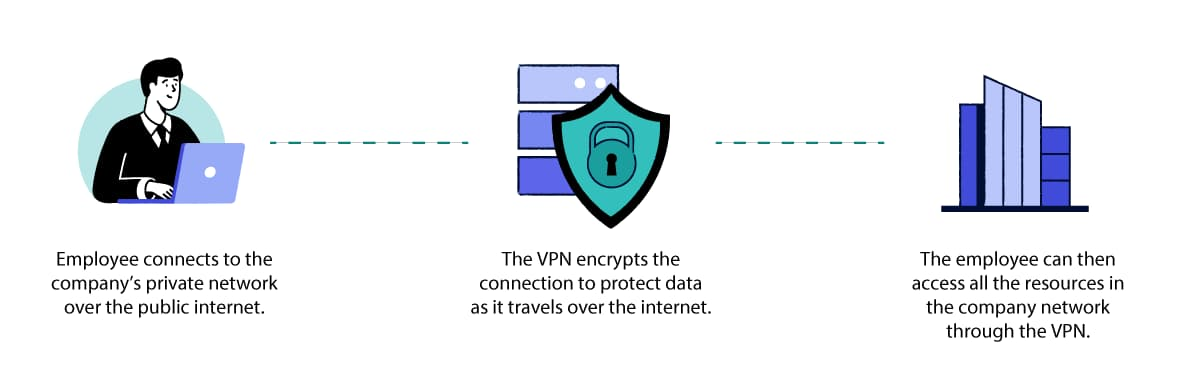
A remote access VPN lets you use the internet to connect to a private network, such as your company’s office network. The internet is an untrusted link in communication. VPN encryption is used to keep the data private and secure as it travels to and from the private network. This type of VPN is also called client to server VPN or client based VPN.
Users can connect to this VPN if they have a stable connection, say a Wi-Fi in a coffee shop or a hotel. The user will have access to the company's network as long as they have a stable stationary internet connection. This is also a setback to these kinds of VPN, i.e. if at any time, the internet connection becomes unstable, the secure tunnel between the client and the company server will close. Also the user will not be able to use this type of VPN while travelling.
Mobile VPN
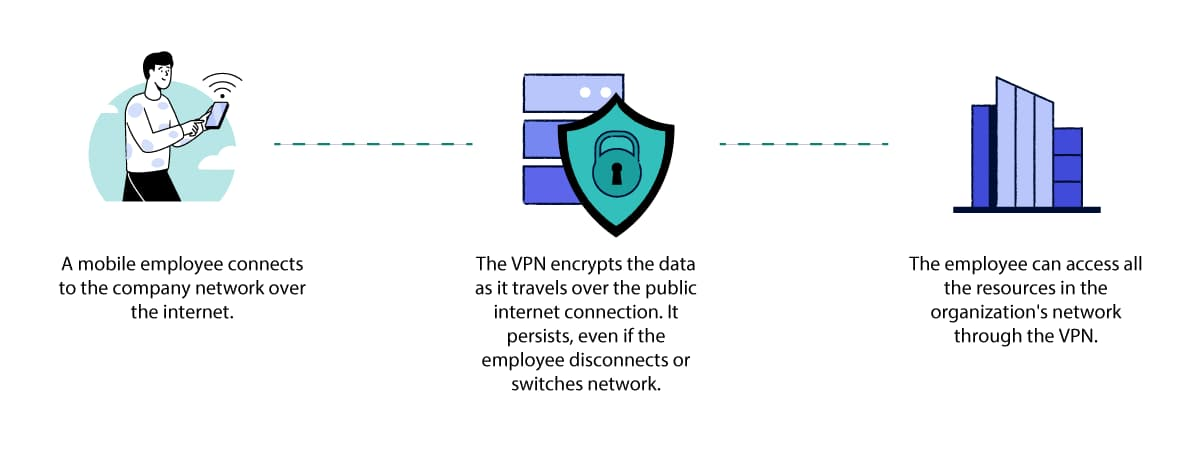
While remote access VPNs let you connect to a local network from anywhere, they do assume that the user will stay in one location. If the user disconnects, the IP tunnel closes. A mobile VPN is a better option than a remote access VPN if the user is unlikely to have a stable connection on the same network for the entire session.
With a Mobile VPN, the VPN connection persists even if the user switches Wi-Fi or cellular network, loses connectivity, or switches their device off for a while. This type of VPN is used by police and firefighters to connect with their database. A user with poor network connection can also use Mobile VPN to connect to the company local network as the secure tunnel will not close while changing networks, or unstable network or even if the device is switched off for a while.
Personal VPN
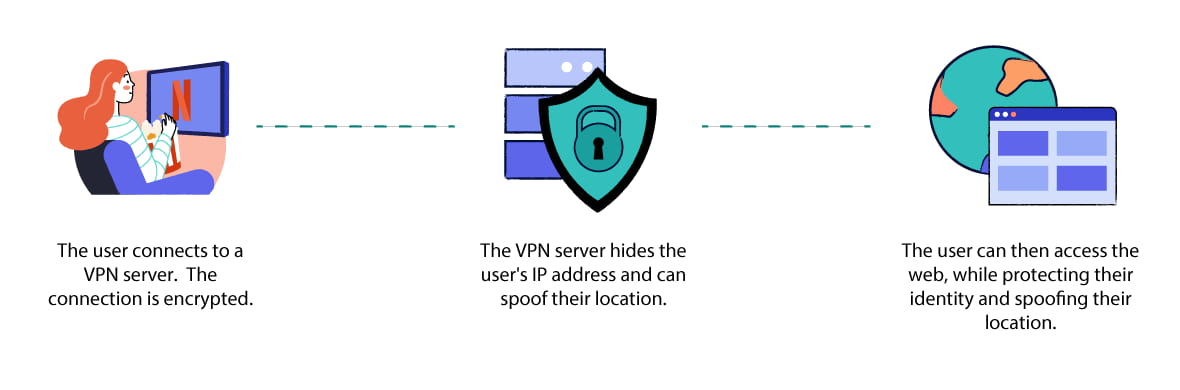
This VPN is also called personal or consumer VPN because it is used for personal purposes like watching Netflix, as we discussed in the previous blog. The main difference of this VPN from the other VPNs is that it masks the IP and geographic location of the user and lets the user connect to the open internet via a private tunnel while the other VPNs let you connect to a private network.
Site-to-Site VPN
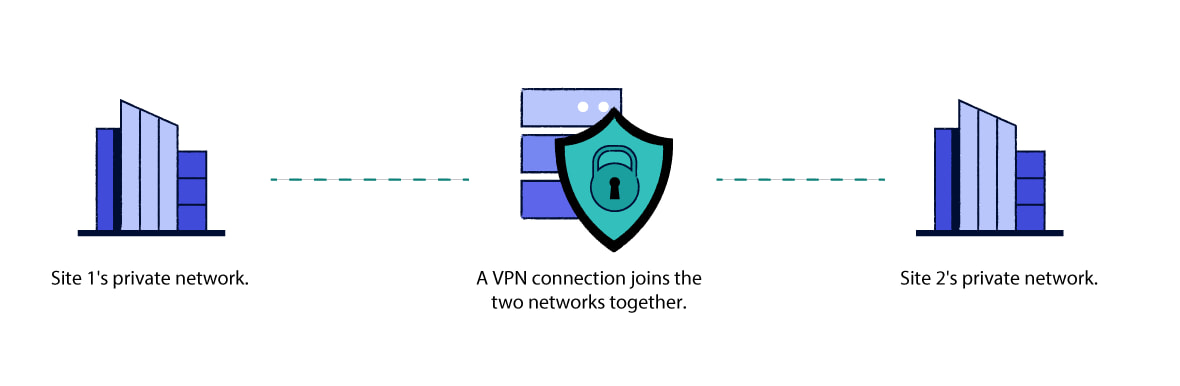
This network is similar to the Remote Access VPN but instead of connecting from a user device to the company’s private network, this VPN connects a private network of one company to the private network of another company. Let’s say a company has 2 branches, one in India and the other one in Turkey, this VPN creates a secure connection between the private networks of the two branches.
So the Site-to-Site VPNs are also called Network based VPN. Different technologies can be used to implement a site-to-site VPN. These include IPsec, Dynamic MultiPoint VPN (DMVPN), and L3VPN.
That was all about types of VPN, drop a like and share it if you found it informative.
Goodbye have a nice day, meet you in next blog!

Friday, Oct 22, 2021