




Technology
Computer Software
REDIS
What is Redis(Remote Dictionary Service)?
It is a NoSQL database written in C and designed as key:value. It enables very fast reading and writing because it keeps the data in memory.
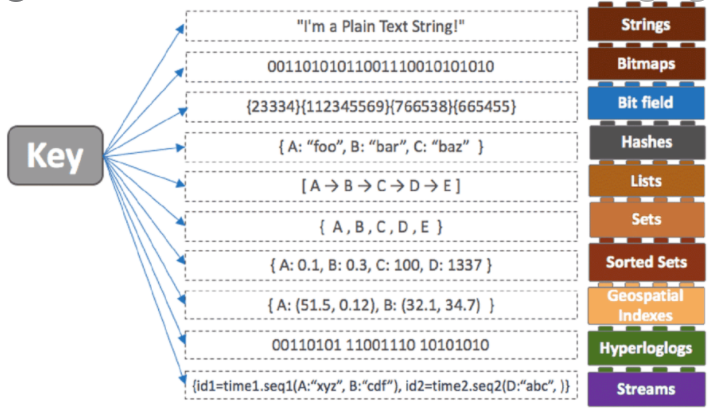
Which data types does Redis support?
In Redis, supported data types are String, Hash, List Set, Sorted Set, Geospatial Index and Hyperloglog.
Where can it be used?
Database
As a consequence of ability of writing the stored data to the disk, it provides persistency. So, it’s a perfect platform for using database.
Caching Layer
But first what is caching?
In computing, a cache is a high-speed data storage layer which stores a subset of data, typically transient in nature, so that future requests for that data are served up faster than is possible by accessing the data’s primary storage location. Caching allows you to efficiently reuse previously retrieved or computed data.
If you want to make a cash of a site Redis will be so fast. That’s why in Caching Redis is used a lot.
Attention!
When you turn off the Redis, previously recorded data will be deleted. Redis doesn’t keep those and this feature provides really high speed.

Monday, Jun 7, 2021