



Blockchain
Technology
What is NFT?
What Are NFTs in 2026: Understanding Blockchain-Based Digital Ownership for Developers
The hype collapsed. The projects failed. But the technology persists. And for developers, understanding NFTs means understanding the next generation of ownership, royalties, and digital identity on the internet.
The Honest Reality Check
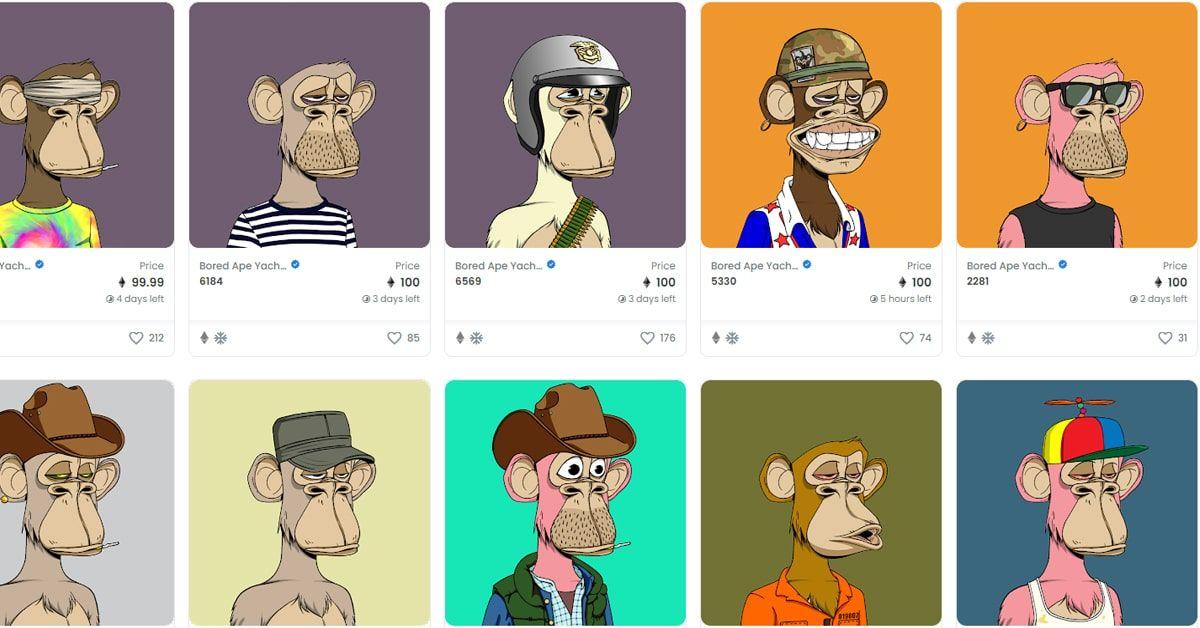
In 2021-2022, NFTs were everywhere. Expensive monkey pictures selling for millions. "NFT projects" raising hundreds of millions in venture capital. Everyone claiming their digital asset would revolutionize ownership.
By 2026, most of that has collapsed. The hype was real. The utility wasn't.
But here's what developers need to understand: the technology that powers NFTs didn't go anywhere. It evolved. The speculation faded, but actual use cases emerged. And for engineers building the next generation of applications, understanding how blockchain-based digital ownership works is becoming a legitimate skill.
This isn't about get-rich-quick schemes. This is about understanding how ownership, identity, and digital assets work when they're decentralized and programmable.
What NFTs Actually Are (Beyond the Hype)
NFT = Non-Fungible Token
Let's break that down:
Fungible means interchangeable. A dollar bill is fungible - one $20 bill is equivalent to any other $20 bill. One Bitcoin is equivalent to any other Bitcoin. They're identical.
Non-fungible means unique and not interchangeable. Your house is non-fungible. Your passport is non-fungible. A specific piece of digital art is non-fungible - it has unique properties that make it distinct from every other piece.
Token means it's a digital representation of ownership recorded on a blockchain.
So an NFT is: a unique, digitally-native item with blockchain-managed ownership.
The key phrase: blockchain-managed ownership. That's what makes it fundamentally different from a digital file you own on your computer.
The Problem NFTs Actually Solve
Before blockchains, digital assets existed (game items, art files, digital collectibles), but ownership was centralized and custodial. If you bought a digital item in a game, the game company owned the server that tracked it. They could change the rules, delete your item, shut down the game, and you had no recourse. You didn't really own it - you had temporary access.
Blockchain changed this by creating a decentralized, transparent record of ownership that no single entity controls.
What Blockchain Added
1. True Ownership
When you own an NFT, the blockchain cryptographically proves you own it. You hold a private key (like a password). That key grants control of the asset. Nobody can take it from you without your key.
2. Programmable Ownership
Smart contracts (code running on the blockchain) can encode rules into NFTs. Example: every time an artist's work is resold, the original creator automatically receives 10% of the sale price. This happens without a middleman - the contract enforces it.
3. Interoperability
You can buy an NFT in one application and use it in another. Buy a digital item in one game, bring it to another game that recognizes the standard. This was impossible before blockchain because there was no universal standard for digital ownership.
4. Liquidity
You can buy and sell NFTs instantly on open markets. With traditional digital assets, if the game shuts down, your item is gone forever. With NFTs on a blockchain, the market persists. You can always find a buyer.
5. Standardization
Just like the internet has standards (TCP/IP, HTTP, JSON), blockchains have standards for NFTs (ERC-721 for Ethereum, similar standards on other chains). This standardization lets wallets, marketplaces, and applications all interoperate.
NFTs in 2026: Where the Real Use Cases Live
After the speculation crash, what actually survives? Where are NFTs genuinely useful?
Digital Art & Creator Royalties
Artists sell digital work directly to collectors without gallery middlemen. More importantly, smart contracts enforce royalties - every time the art resells, the artist gets a percentage. This creates sustainable income for creators.
Reality in 2026: Artists who embrace blockchain-based distribution make more money and retain more control than they do selling through traditional galleries or platforms.
Gaming & Virtual Items
Players own in-game items as NFTs. These items have real market value. You can sell them, trade them, or take them to other games that recognize the standard.
Reality in 2026: Major games (not indie experiments) are integrating blockchain ownership. Guild Wars 3's items are NFTs. The Sandbox and Decentraland have vibrant economies where virtual real estate trades for significant money.
Digital Identity & Credentials
A diploma, license, or certificate as an NFT. Cryptographically verifiable, portable, and impossible to forge. You own it - not the institution.
Reality in 2026: Universities and professional bodies are issuing credentials as NFTs. Employers can instantly verify them without calling the issuing institution.
Event Tickets & Membership
NFT-based tickets prevent counterfeiting and scalping. Smart contracts can enforce seat transfers and prevent resale above face value.
Reality in 2026: Major concert venues and sports teams issue NFT tickets. Resale is transparent and creator-friendly.
Loyalty Programs & Communities
NFTs as membership cards. Own an NFT, get access to exclusive content, Discord communities, or real-world perks.
Reality in 2026: Brands use NFT memberships to build engaged communities at scale. The economics work better than traditional loyalty programs.
How NFTs Actually Work (The Technical Layer)
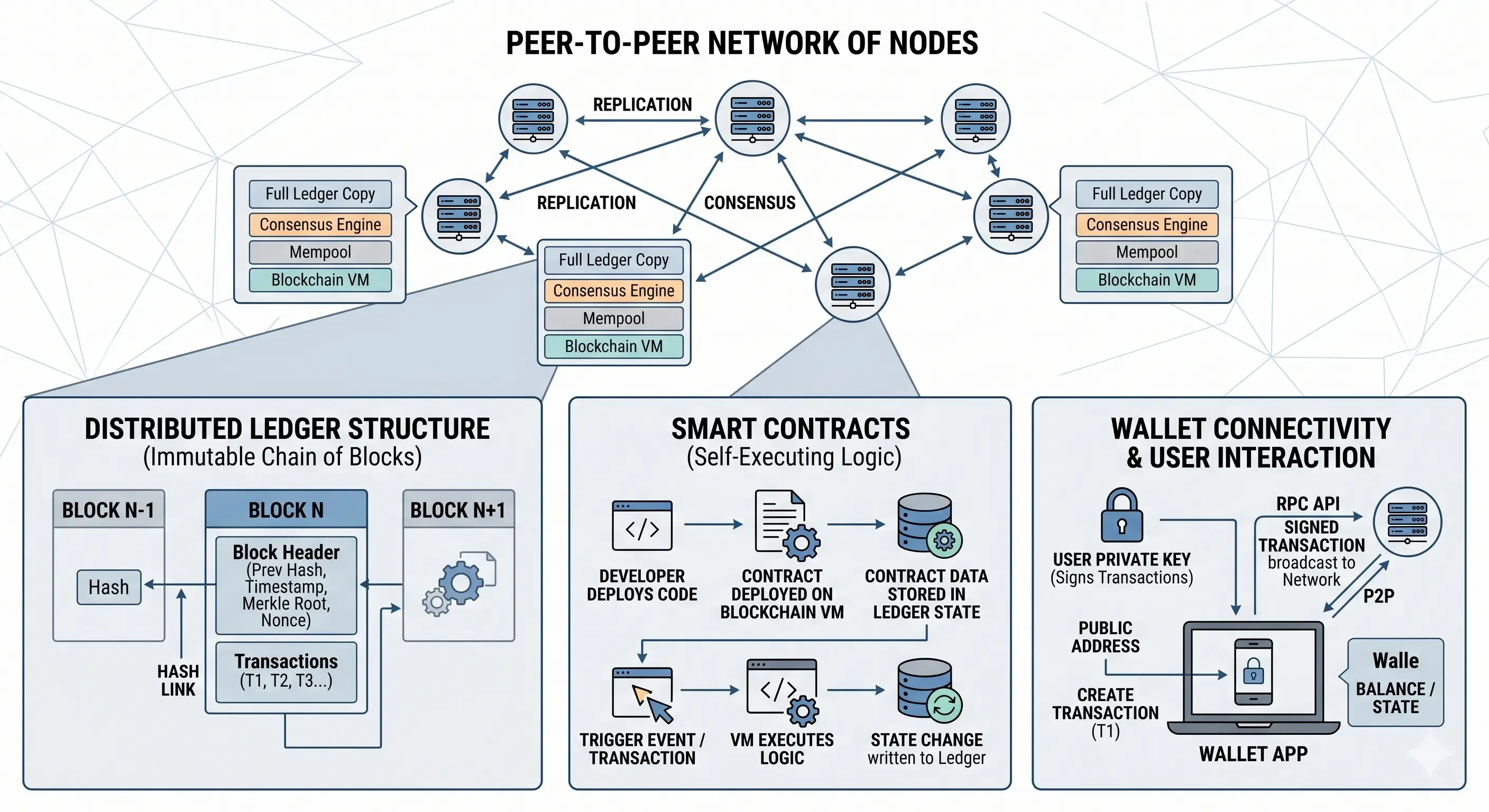
To understand NFTs, you need to understand smart contracts.
Smart Contracts
A smart contract is code that runs on a blockchain. It's immutable (can't be changed after deployment), transparent (everyone can read it), and deterministic (executes the same way every time).
Example NFT smart contract structure:
contract NFT {
  mapping(uint256 tokenId => address owner) public owners;

  function mint(address to, uint256 tokenId) public {
    owners[tokenId] = to;
  }

  function transfer(address from, address to, uint256 tokenId) public {
    require(owners[tokenId] == from);
    owners[tokenId] = to;
  }
}
This simple contract:
- Tracks who owns each token ID (the mapping)
- Allows minting (creating new NFTs)
- Allows transfers (selling to someone else)
The blockchain records every mint and transfer in an immutable ledger. Anyone can query the ledger and verify who currently owns token ID #42.
Metadata & Storage
The actual image or data associated with an NFT typically isn't stored on the blockchain (that would be expensive). Instead, the blockchain stores a pointer - a link to where the data is stored (IPFS, Arweave, or a server).
The metadata (JSON file) contains:
{
  "name": "Digital Art #42",
  "description": "A unique digital artwork",
  "image": "ipfs://QmXxxx...",
  "attributes": [
    { "trait": "Color", "value": "Blue" },
    { "trait": "Rarity", "value": "Rare" }
  ]
}
The blockchain records ownership. The metadata describes the asset.
Why This Matters
This architecture means:
- Ownership is immutable (recorded on the blockchain)
- The asset can move between applications (any app can read the metadata)
- Royalties can be enforced (smart contract logic)
- No central authority controls it (distributed consensus)
The Difference Between NFTs and Cryptocurrencies
| Feature | NFTs | Cryptocurrencies |
|---|---|---|
| Fungibility | Non-fungible (unique) | Fungible (identical) |
| Standard | ERC-721, ERC-1155 | BEP-20, ERC-20 |
| Use Case | Ownership of unique items | Medium of exchange, store of value |
| Divisibility | Typically whole units | Highly divisible |
| Example | Digital art, in-game items | Bitcoin, Ethereum |
| Primary Value | Utility or scarcity | Market demand, adoption |
Common Misconceptions About NFTs in 2026
"NFTs are just pictures, they're worthless"
NFTs are the technology, not the use case. Most NFT projects that were just images (or jokes) failed. But NFTs securing real ownership (gaming items, credentials, tickets) have genuine value.
"The blockchain wastes energy"
Proof-of-Work blockchains (Bitcoin) do use significant energy. But major NFT blockchains (Ethereum post-Merge, Polygon, Solana) use Proof-of-Stake or Layer 2 solutions with minimal energy use.
"NFTs are only for speculation"
The speculation phase created headlines, but it's over. What remains are actual use cases: creators maintaining control of their work, games with persistent economies, verifiable credentials.
"Only crypto natives understand NFTs"
NFT technology is becoming invisible infrastructure. Most people won't think "this is an NFT" - they'll just think "I own this digital item and can trade it." Like how people don't think about HTTP when using the web.
Why Developers Should Understand This
You might not build NFT projects. But you'll likely encounter blockchain technology in some form:
Web3 Infrastructure - Companies building the next generation of the internet need developers who understand smart contracts, token standards, and blockchain architecture.
Digital Ownership - As more items become digital (music, video, software licenses), the ownership infrastructure matters. Blockchain solutions are increasingly standard.
Creator Economy - Platforms connecting creators to audiences increasingly use blockchain-based monetization and royalty systems.
Decentralized Applications (dApps) - Apps that interact with blockchains need backend developers who understand how to query blockchain data, validate transactions, and integrate wallets.
Understanding NFTs and blockchain isn't about speculation. It's about understanding an emerging technology that's reshaping how digital ownership, identity, and value exchange work on the internet.
Learning Blockchain Development
Blockchain development is an increasingly important skill, though it's not yet a dedicated course at Archi's Academy.
However, the Backend Development track covers the fundamentals you need:
- Smart contract architecture - Understanding how decentralized systems are designed
- API development - Querying blockchain data and building dApps
- Security - Critical for any system handling financial transactions
- Databases & Data structures - Blockchains are specialized databases with unique constraints
These skills transfer directly to blockchain development.
Web3 and blockchain-specific courses are coming soon to Archi's Academy. If you're interested in developing on blockchains, build your backend fundamentals first.
The Bottom Line: Technology, Not Speculation
NFTs aren't going away. But the form they take in 2026 looks nothing like the hype predicted. No lambos. No overnight fortunes. Just infrastructure.
Digital ownership, programmable royalties, decentralized identity, and interoperable digital assets - these aren't optional features. They're the direction the internet is moving. Understanding how they work is what separates developers who can build for that future from those who get left behind.
The speculation phase was the noise. What remains is signal.
Have questions about blockchain technology, Web3 development, or where blockchain fits into your learning path? The Archi's Academy team is here to help - reach out anytime.

Friday, Apr 23, 2021