



Computer Science
Computer Software
Computational Thinking
Computational thinking for problem-solving
"Computational thinking for problem-solving"
What is it?
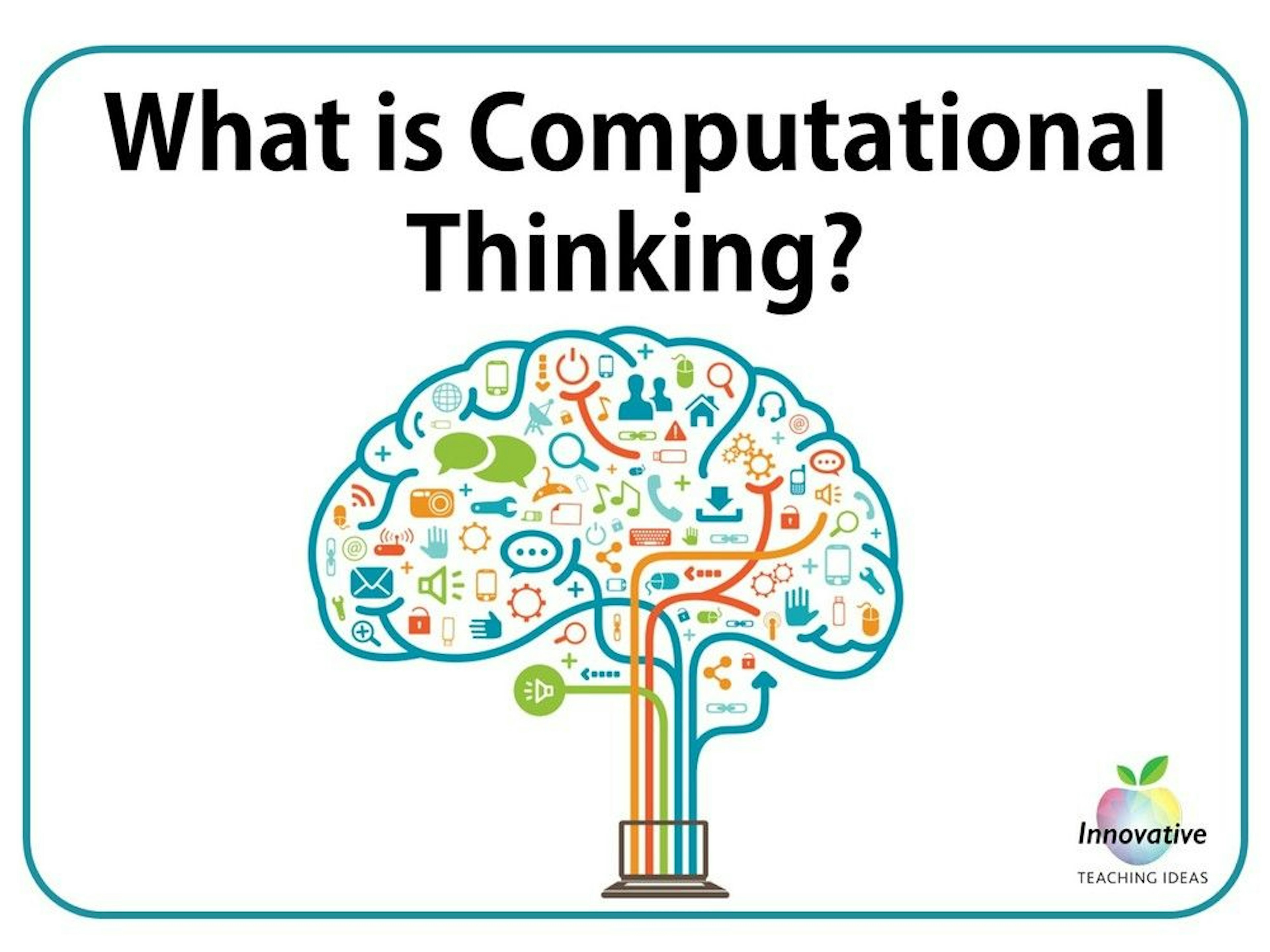
It simply refers to an approach to solve problems using the concepts of computer sciences, then expresses solutions to these problems such that they can be run on a computer.
It consists of a cycle of four main pillars which are:
Decomposition: breaking down a problem into smaller and more manageable sub-problems
Pattern Recognition: Identifying similarities or shared characteristics within the problem (amongst the sub-problems)
Data Representation and abstraction: Filtering out the data for just what is most relevant such as they can be used to create a representation of what we are trying to solve.
Algorithms: A finite set of serial instructions of how to solve the problem
Computational thinking therefore at the most basic level, is the heart of all solutions realized in the IT space.
Coding is just a part of the process and it only comes until the goal is clear. This concept spans way beyond the boundaries of IT and can be implemented into any career sector.

Pazartesi, Mar 22, 2021